Temporary Chapel A Space for Quiet Contemplation by: Simon Davoli
A Temporary Chapel Inspired by Michelozzo: Light, Proportion and Prayer
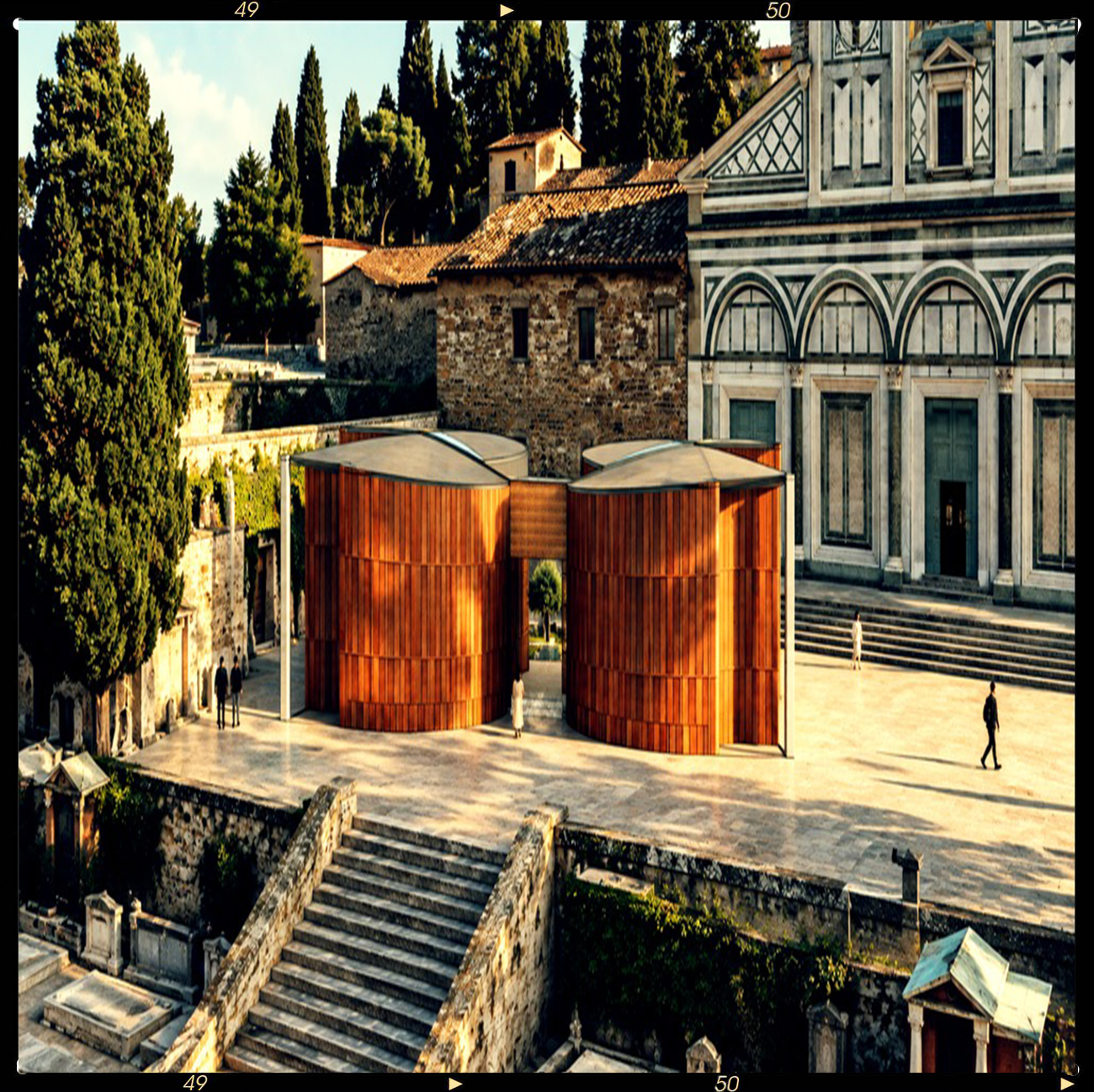
A temporary chapel can offer a quiet place for prayer without changing its surroundings forever. This project takes inspiration from Michelozzo’s tempietto. It uses simple forms, clear proportions, and natural light to create a calm space. Rather than copying the historic building, the design adapts its key ideas to modern architecture.
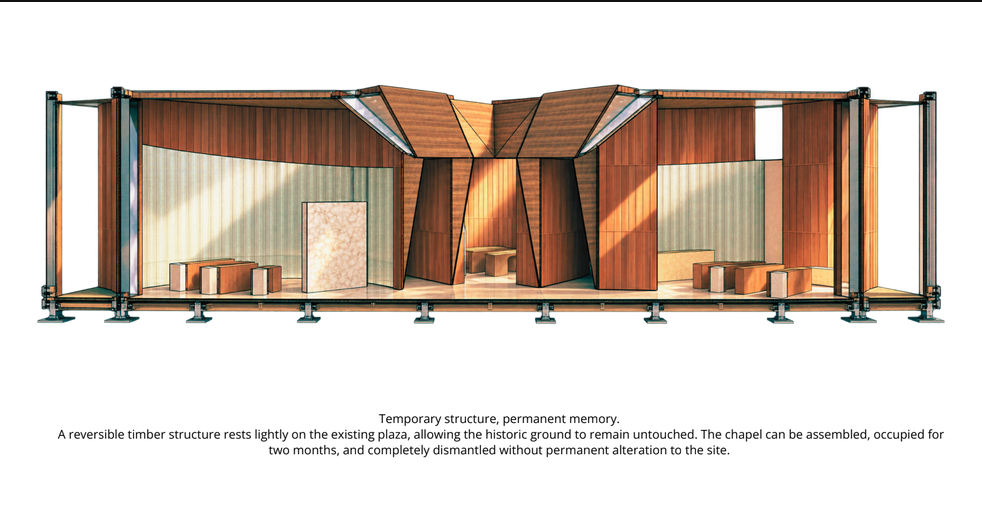
The chapel has two rooms within a single structure. It is designed to stand for two months. During this time, it must remain strong, practical, and easy to maintain. Afterwards, it can be removed without leaving permanent changes to the site.
Two Rooms, One Clear Vision
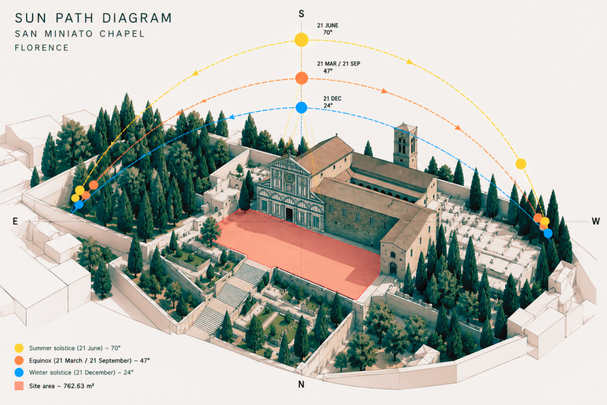
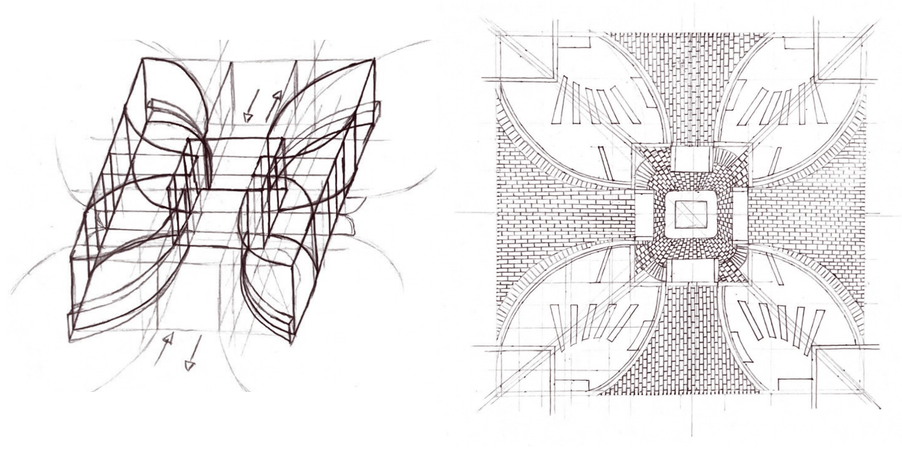
The chapel fits within a maximum volume of 12 × 12 × 10 metres. Inside, it has two rooms: the Entrance and the Space for Prayer.
Each room has a clear purpose. First, visitors enter and pause. Then, they move towards the prayer room. There, the atmosphere becomes quieter and more focused.
The design follows three stages: arrival, transition, and prayer. As a result, visitors can follow the space with ease.
White surfaces, balanced proportions, and natural light shape the interior. These features create order and calm. They also link the two rooms into one clear sequence.
The design takes inspiration from Michelozzo’s work. However, it does not copy historic details. Instead, it uses balance and simple forms to create a modern sacred space. These principles also reflect key ideas in Renaissance architecture.
Light as the Main Ornament
The experience begins at the entrance. Visitors pause before moving towards the prayer room. This short journey helps them slow down and focus on the space ahead.
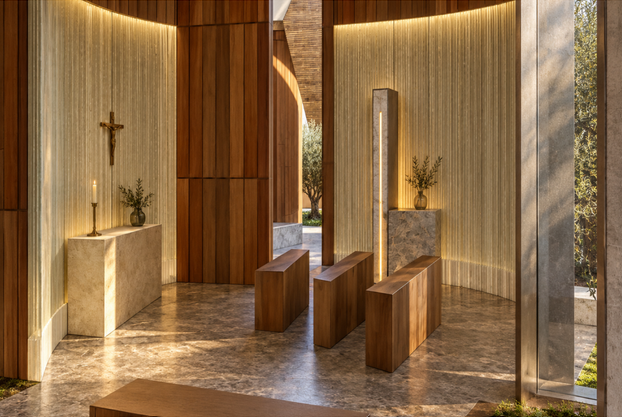
Natural light shapes the atmosphere. Instead of rich decoration, the chapel uses light as its main feature. Soft light and plain surfaces also reduce visual distractions.
The proportions of the prayer room support quiet thought and prayer. However, the space does not tell visitors how they should feel or behave. It leaves room for personal reflection.
Light, materials, and proportion work together. Therefore, the design needs few decorative elements. The room feels calm, clear, and simple.
The result is a space that turns inward. It invites visitors to pause and reflect. Above all, the architecture supports prayer without demanding attention.
A Lightweight and Reversible Structure
The experience begins at the entrance. Visitors pause before moving towards the prayer room. This short journey helps them slow down and focus on the space ahead.
Natural light shapes the atmosphere. Instead of rich decoration, the chapel uses light as its main feature. Soft light and plain surfaces also reduce visual distractions.
The proportions of the prayer room support quiet thought and prayer. However, the space does not tell visitors how they should feel or behave. It leaves room for personal reflection.
Light, materials, and proportion work together. Therefore, the design needs few decorative elements. The room feels calm, clear, and simple.
The result is a space that turns inward. It invites visitors to pause and reflect. Above all, the architecture supports prayer without demanding attention.
A Temporary Structure, a Lasting Memory
Working on this project has also shown me the value of hands-on interior design education. Developing a design proposal from concept to presentation helped me understand how architectural ideas become practical solutions. It also reflects the benefits of a design school with real projects, where students can explore materials, spatial planning, and natural light through practical experience.
This approach is particularly valuable when studying a practical master in interior design, where applying creative ideas to real design challenges is an essential part of the learning process. Working in a studio-based design school or a design atelier in Florence can also help students connect design thinking with professional practice, while developing their own creative approach.
Ultimately, this temporary chapel offers a calm place for prayer without dominating its surroundings. Through light, proportion, and simple materials, it creates a moment of peace that can leave a lasting impression, even after the structure has disappeared.